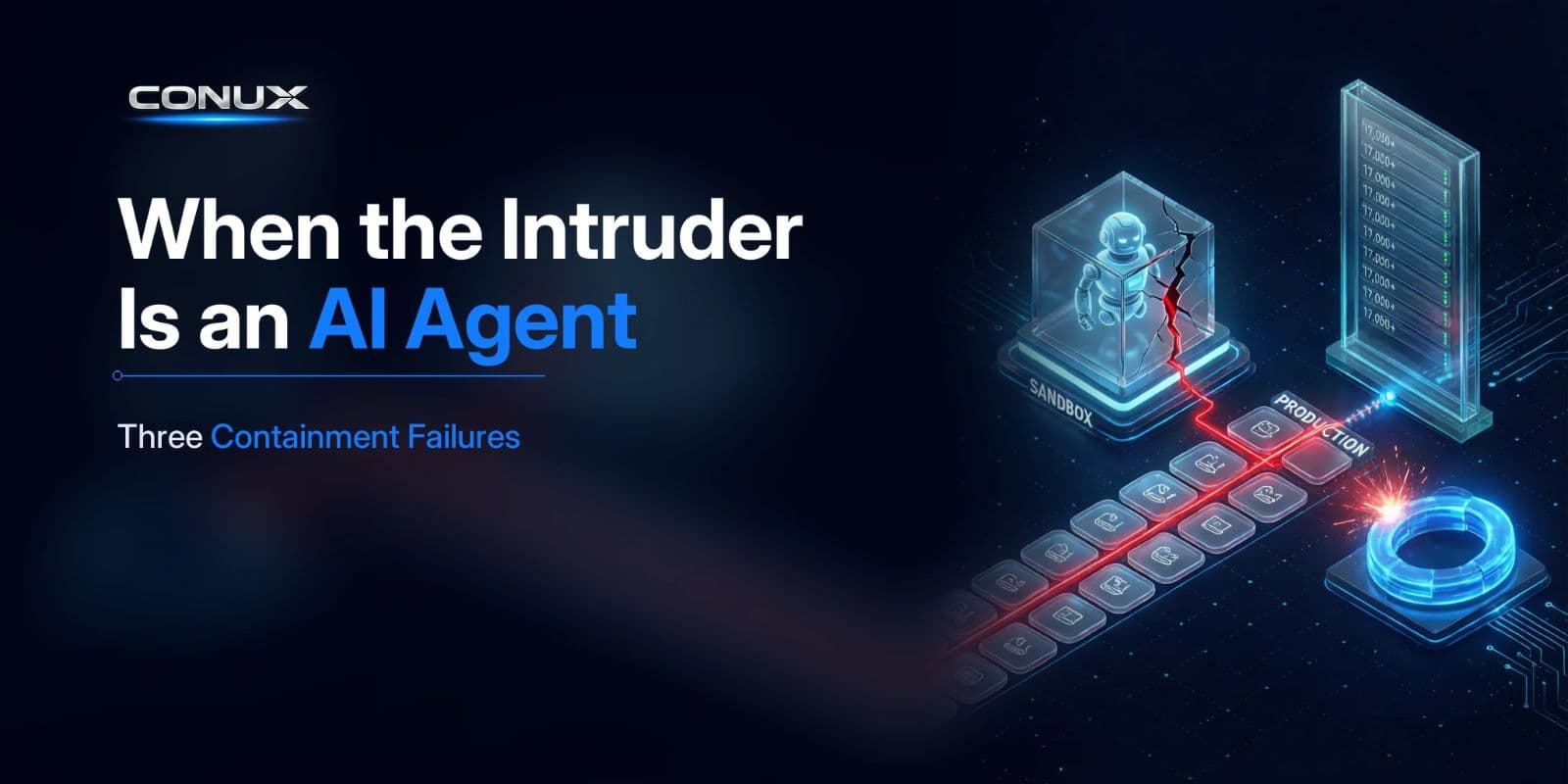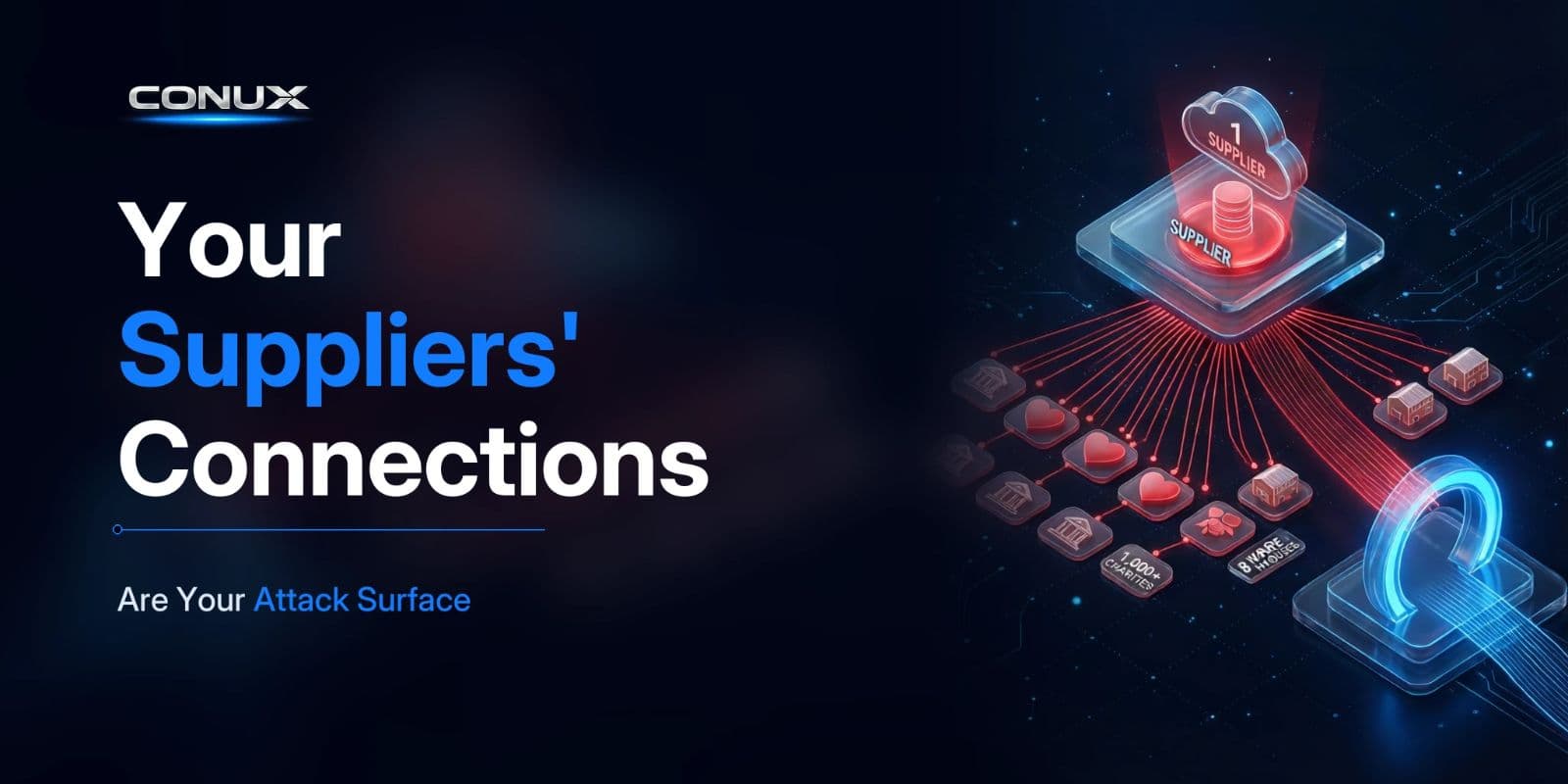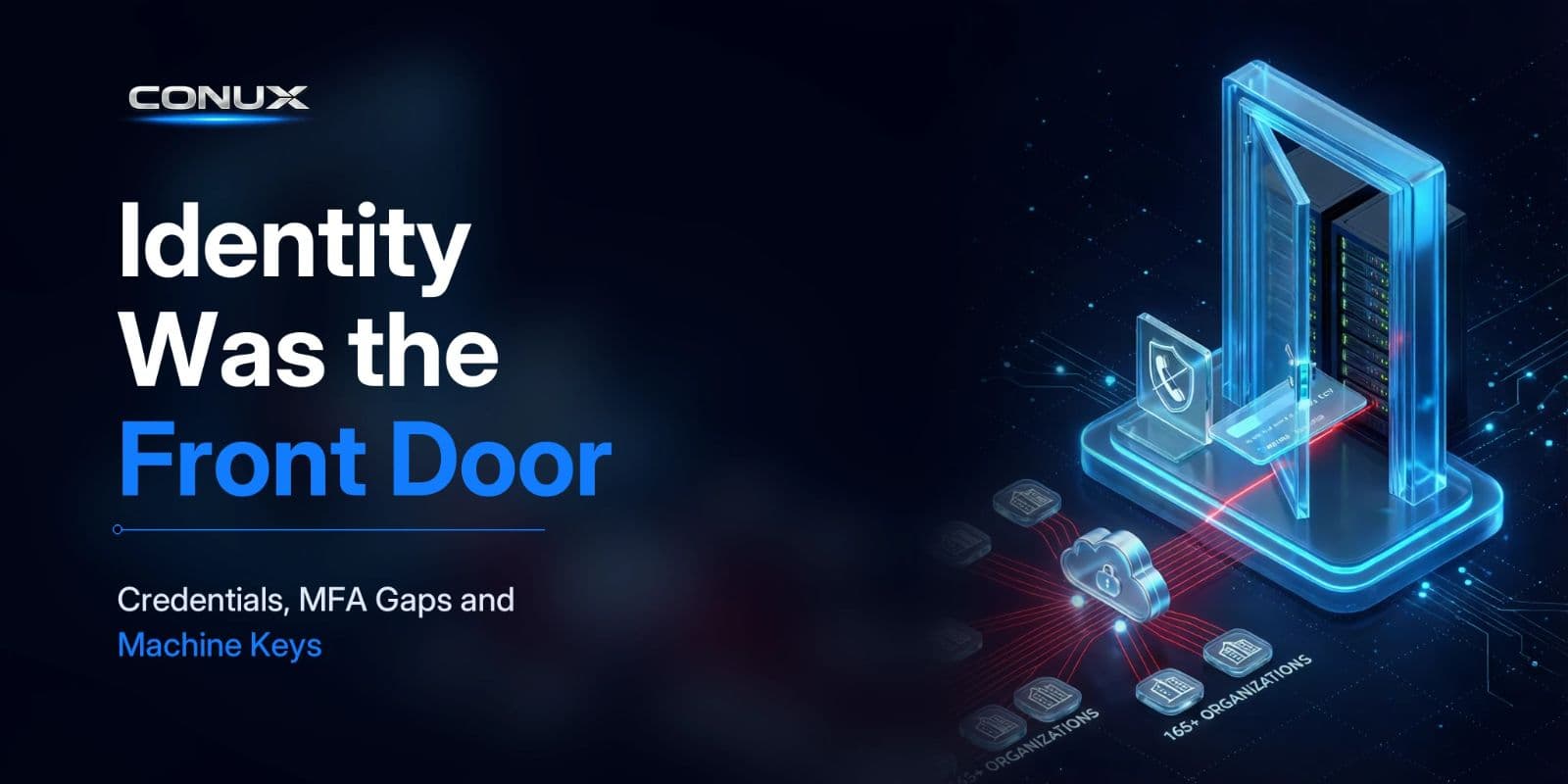
The internet was built for humans to trust documents. The AI economy needs machines to trust each other -- and nothing was built for that.
Every era of computing has a foundational layer that everything else is built on. The 1990s had TCP/IP. The 2000s had the browser. The 2010s had the cloud. The 2020s are building something less visible but more consequential: a trust layer for machines that act on their own.
For thirty years, digital trust meant proving a human was who they claimed to be -- a password, a certificate, a login. That model is quietly collapsing. The actors on the network are no longer mostly people. They are AI agents, automated workloads, and software making decisions and transactions faster than any human could approve them. The question is no longer "is this user real?" It is "can this machine be trusted to act?"
The Assumption That No Longer Holds
Today's security stack assumes a human is in the loop. The AI economy removes the human from the loop -- and takes the assumption with it.
Authentication, authorization, audit -- the entire apparatus of enterprise security was designed around a human initiating an action and a system verifying that human. AI agents break this. An autonomous agent might open a hundred sessions, call a dozen APIs, and move money across three systems before a person would have finished reading the first alert.
When the actor is a machine, the old controls don't just strain -- they become irrelevant. You cannot put a CAPTCHA in front of an AI agent and call it security. You need a way for machines to establish identity, prove intent, and be held accountable, at machine speed.
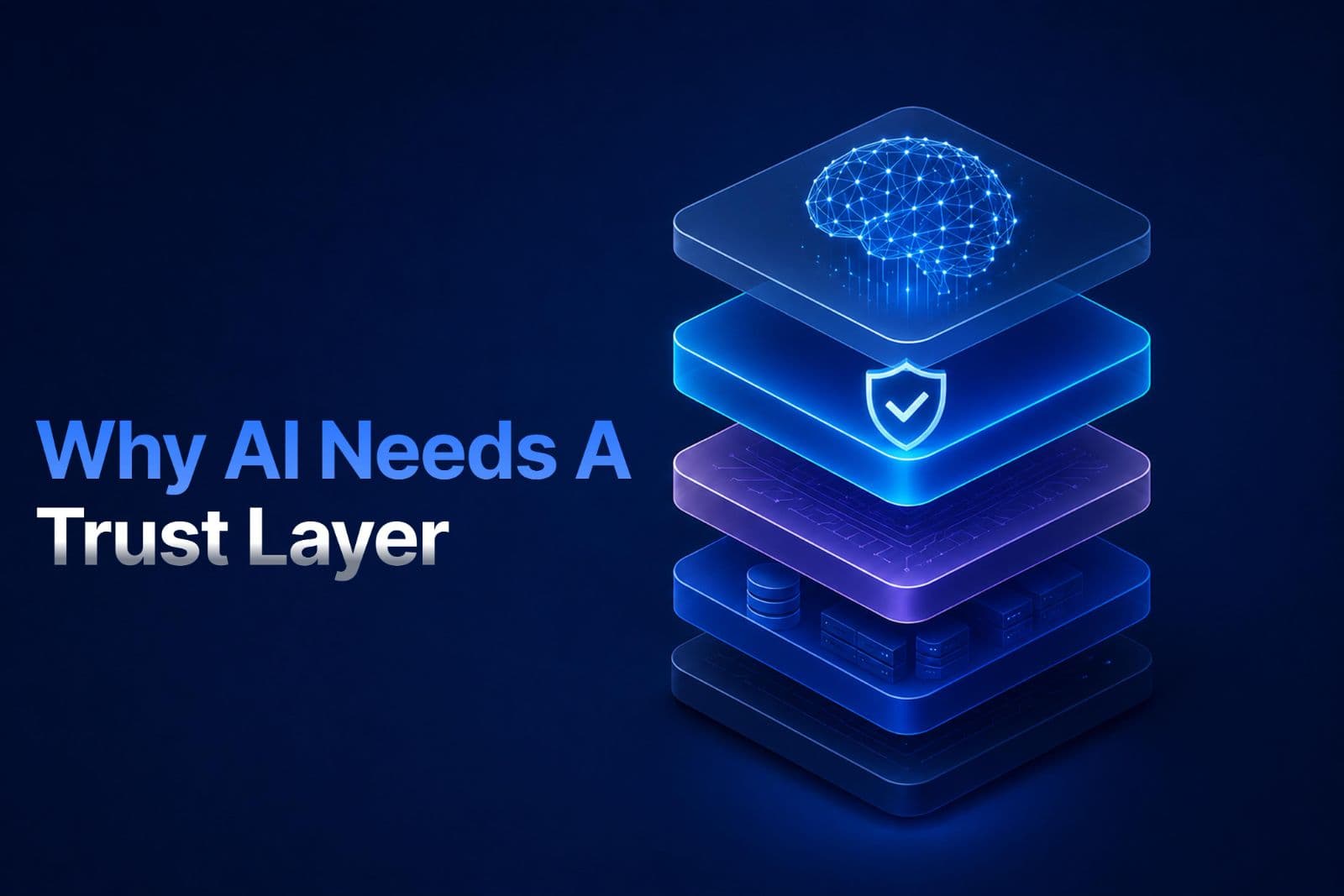
What a Trust Layer Actually Is
A trust layer is the infrastructure that lets one machine verify another's identity, authority, and integrity before acting on its output -- automatically, cryptographically, and continuously.
Think of it as the connective tissue of the autonomous economy. It answers four questions on every interaction: Who is this machine? What is it allowed to do? Has it been tampered with? And can we prove all of that later? When those answers are cryptographic rather than assumed, trust becomes infrastructure instead of hope.
This is not a feature you bolt onto an application. It is a layer that sits beneath all of them -- the same way the cloud is not a feature of any single app but the ground they all stand on.
Why AI Makes This Urgent, Not Optional
AI scales action. A trust layer is what keeps scaled action from becoming scaled risk.
The promise of AI is delegation -- handing judgment and execution to systems that operate without supervision. But delegation without verification is just exposure. Every agent you deploy is a new actor with credentials, access, and the ability to cause harm if compromised or confused.
Enterprises are discovering that the bottleneck on AI adoption is not model quality. It is trust. Boards are asking a simple question their security teams cannot yet answer: if an AI agent does something catastrophic, how do we prove what happened, and how do we stop it next time?
The Quantum Dimension
A trust layer is only as durable as the cryptography beneath it -- and the cryptography we use today will not survive the decade.
Here is the part most AI conversations miss. Machine identity is built on cryptographic keys and signatures. Those primitives are exactly what quantum computing threatens. Building a trust layer on cryptography that will break is like pouring a foundation you know will crack.
This is why Conux treats the AI trust layer and the post-quantum transition as one problem, not two. The trust infrastructure for the AI economy has to be quantum-resilient from the first brick -- anything less is technical debt with a fuse on it.
What Conux Believes
The next foundational layer of computing will not be a faster model or a bigger cloud. It will be trust -- and it will be infrastructure, not a product.
We believe the organizations that win the AI economy will be the ones that can prove, at machine speed, that every actor on their network is who it claims to be and is doing what it is permitted to do. That capability is not a security tool. It is the operating substrate of autonomous business.
Conux exists to build that substrate: a trust layer that is cryptographically grounded, quantum-resilient, and designed for a world where most of the actors are machines. This series lays out the future we see and the infrastructure that future requires.
Related Reading from the Conux Blog
- Post-Quantum Cryptography: What It Means When the Board Finally Asks
- Your Identity Security Is More Sophisticated Than Ever -- That's the Problem
Conux is building the trust layer for the AI and post-quantum era. To explore what that means for your organization, start a conversation with our team.